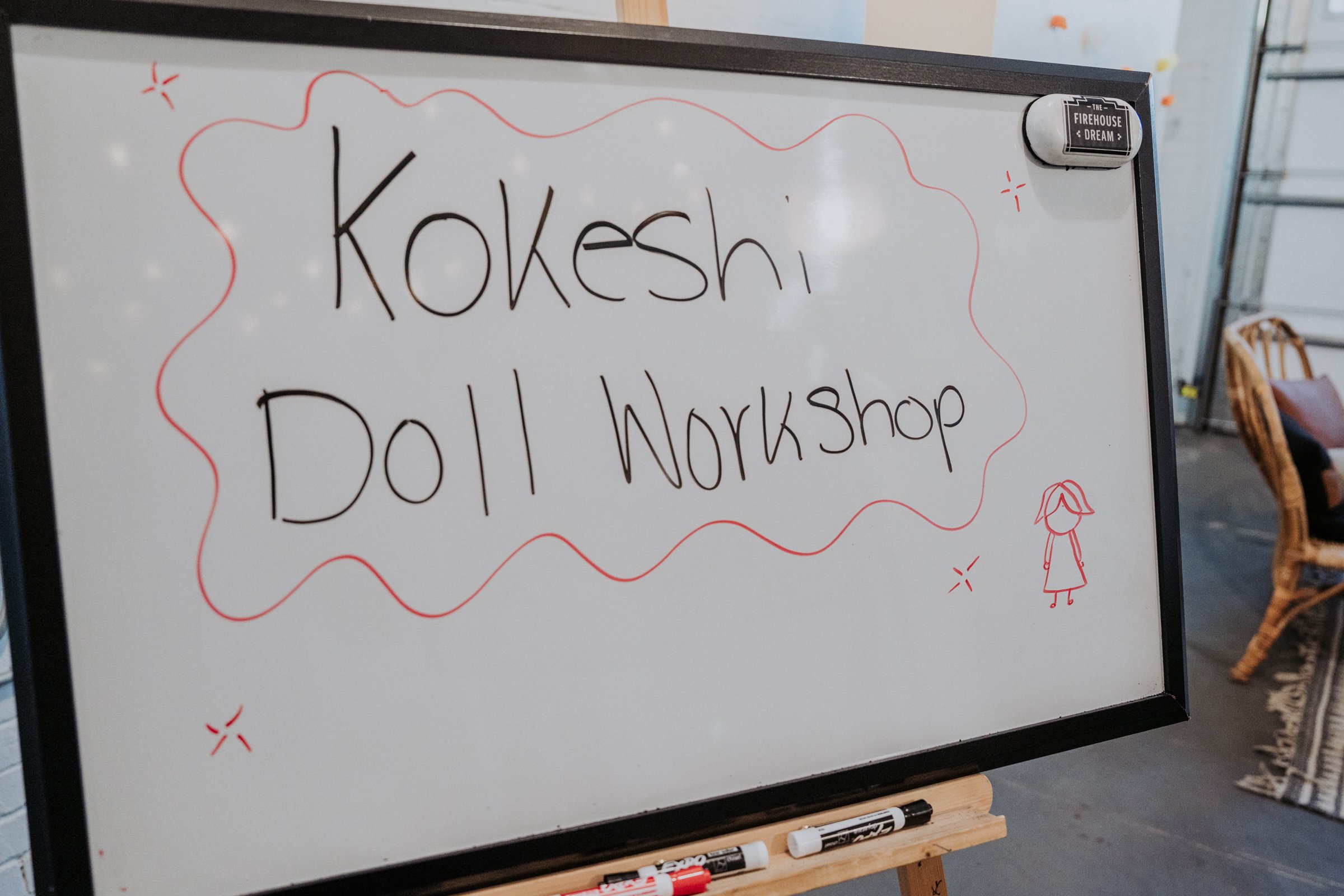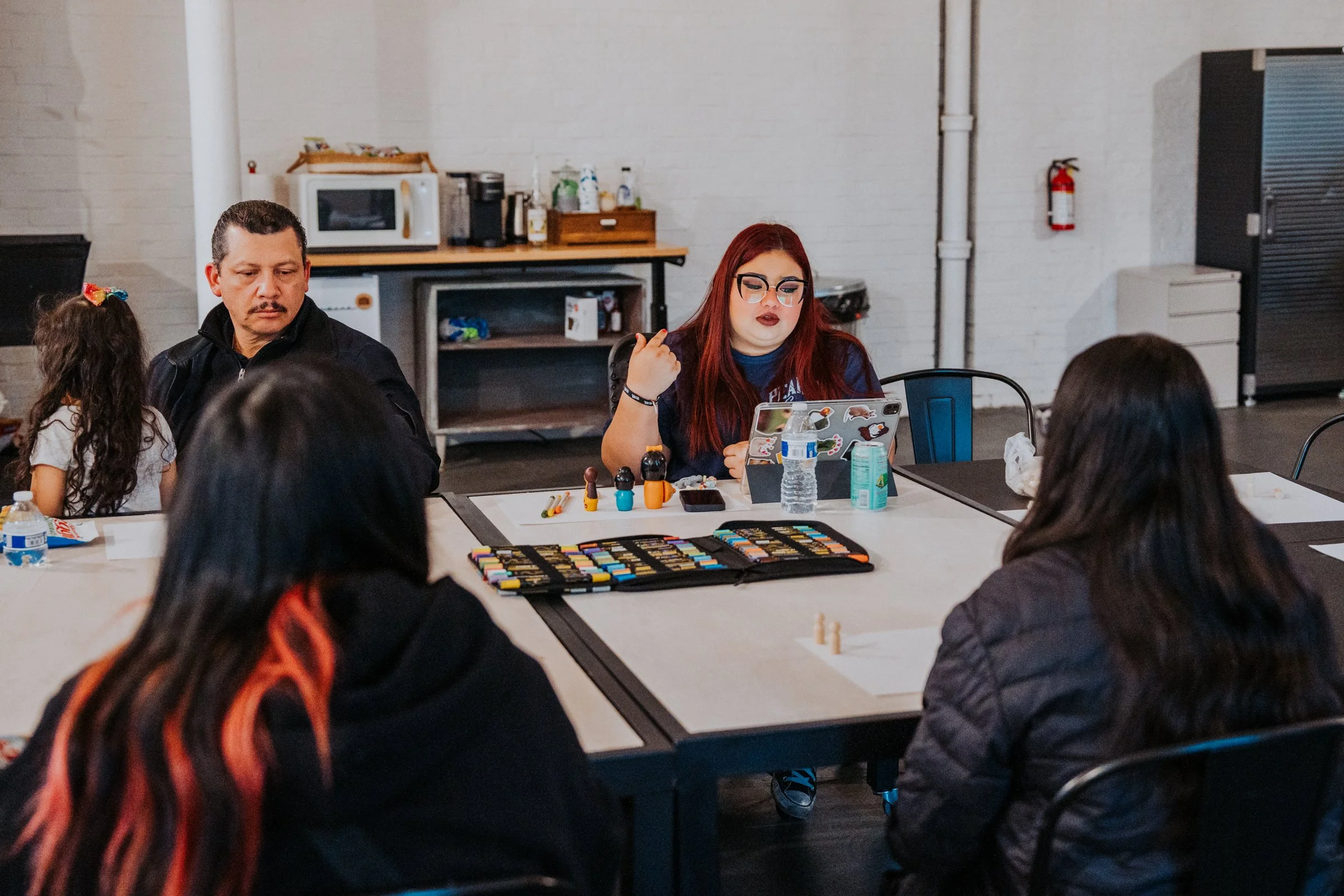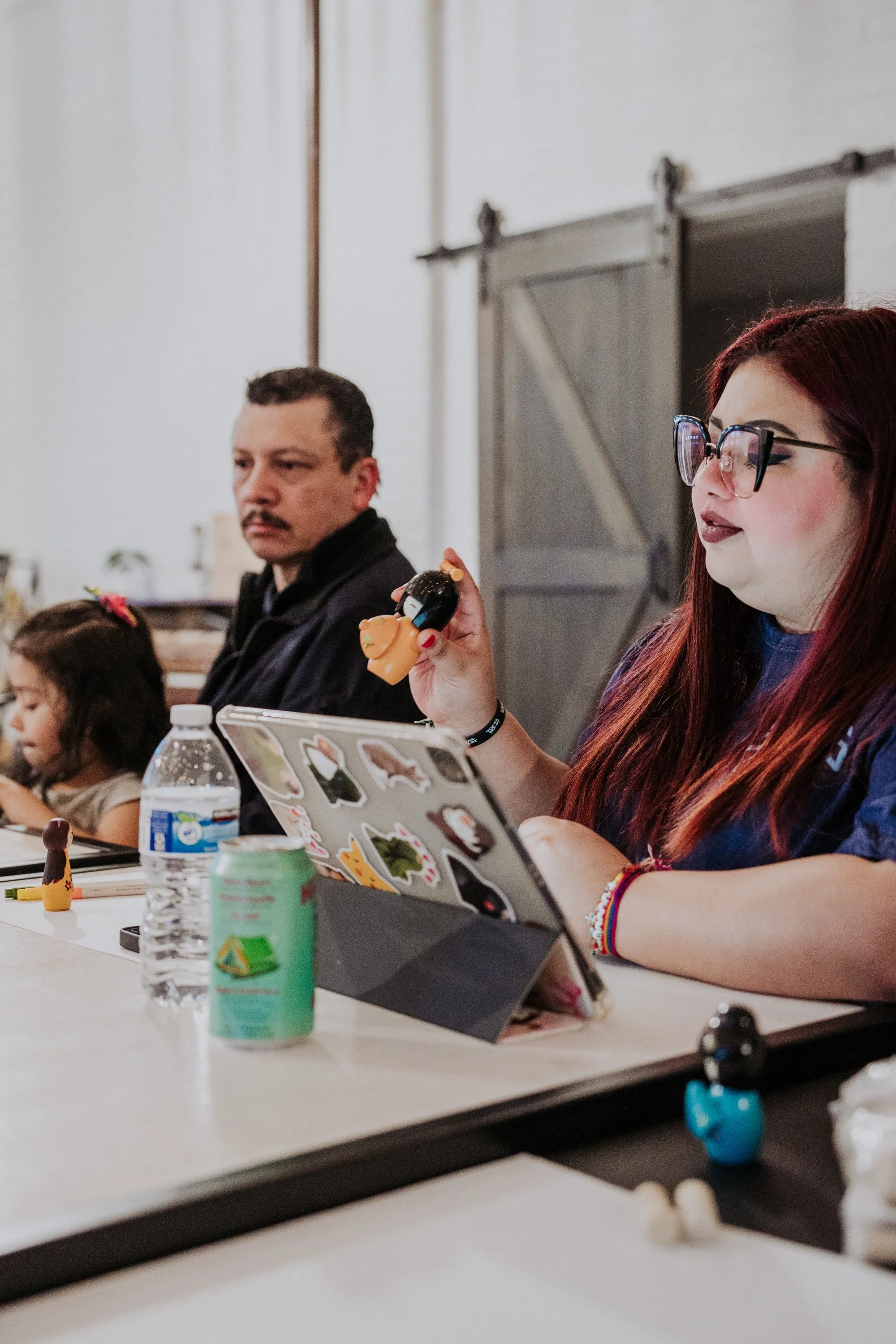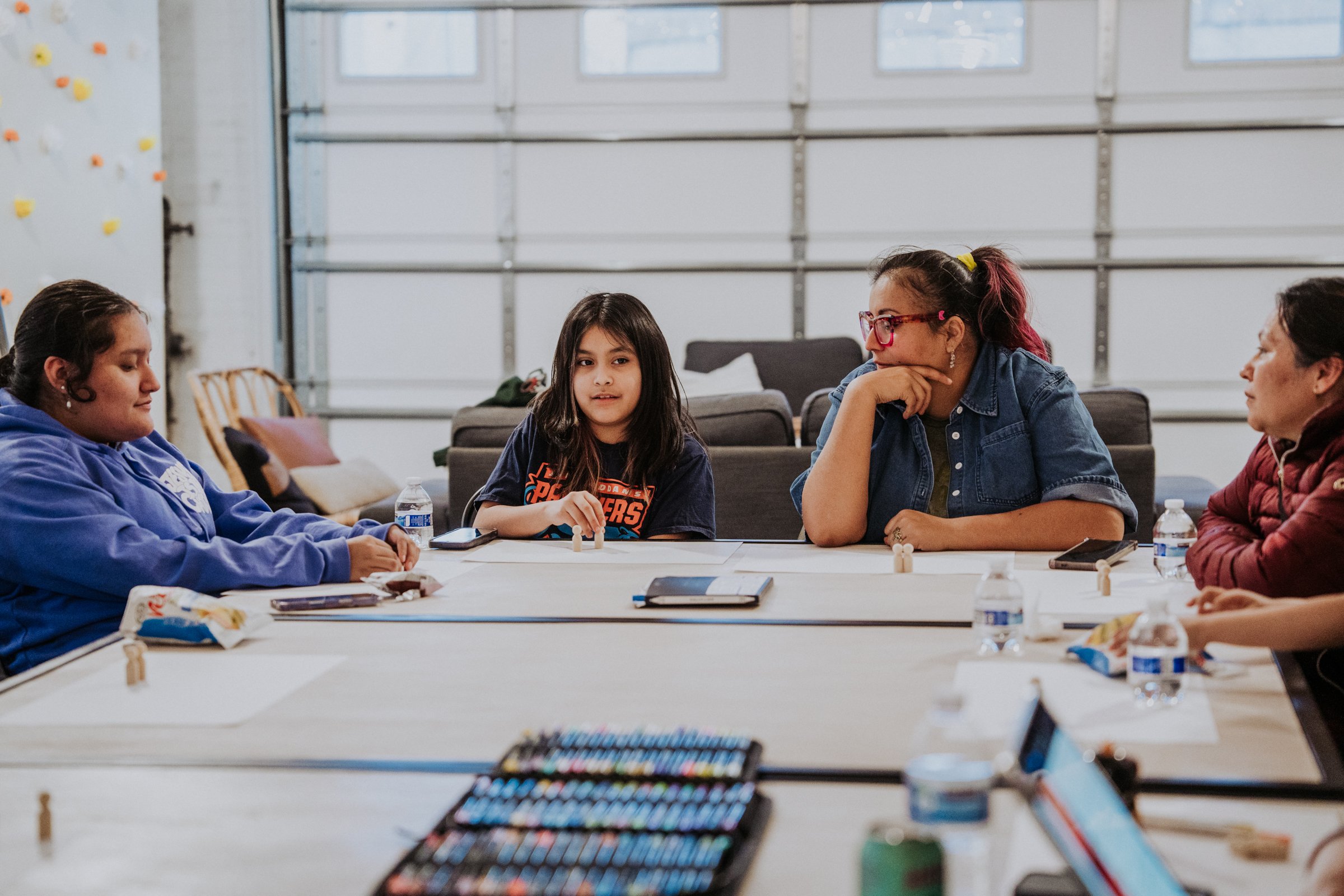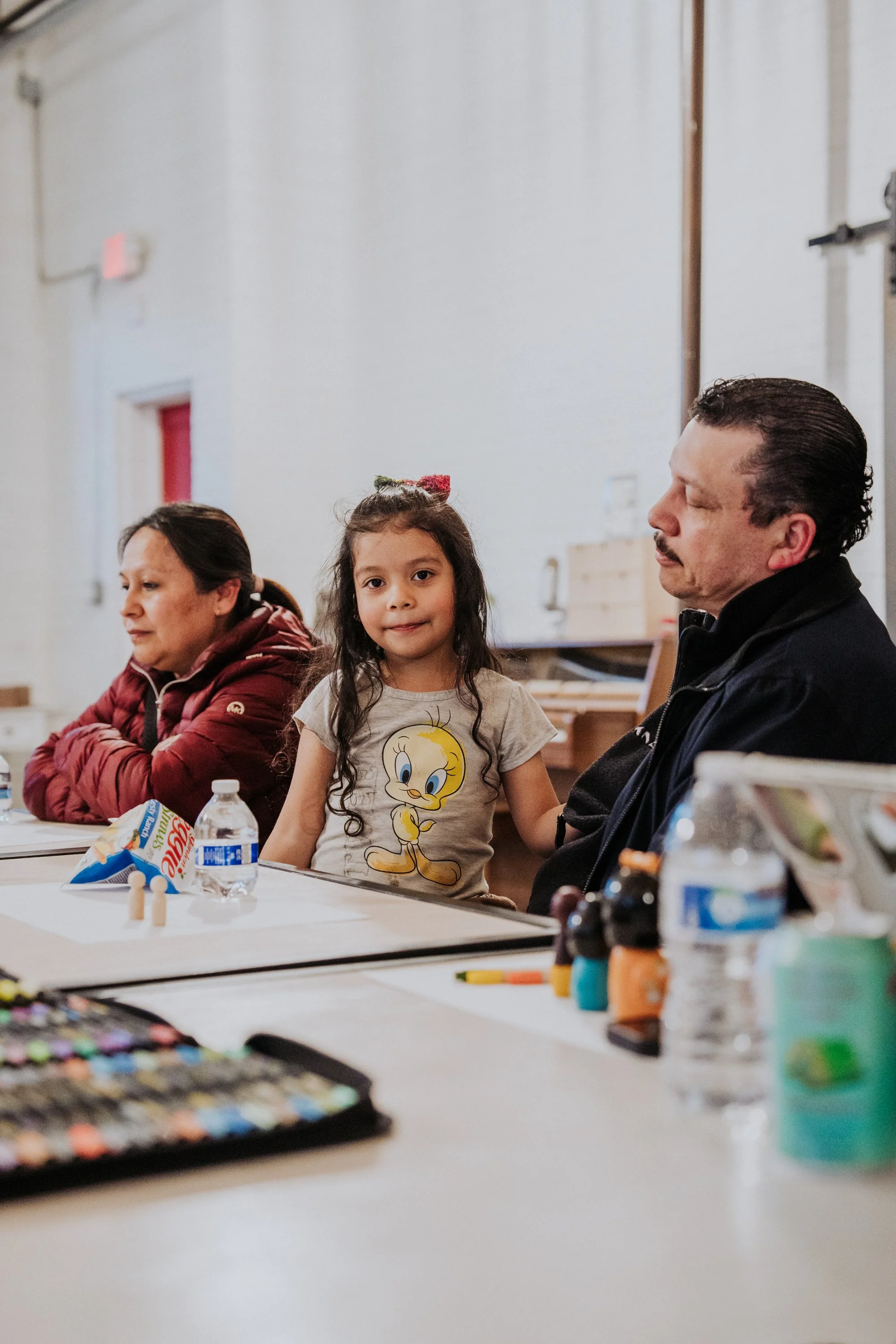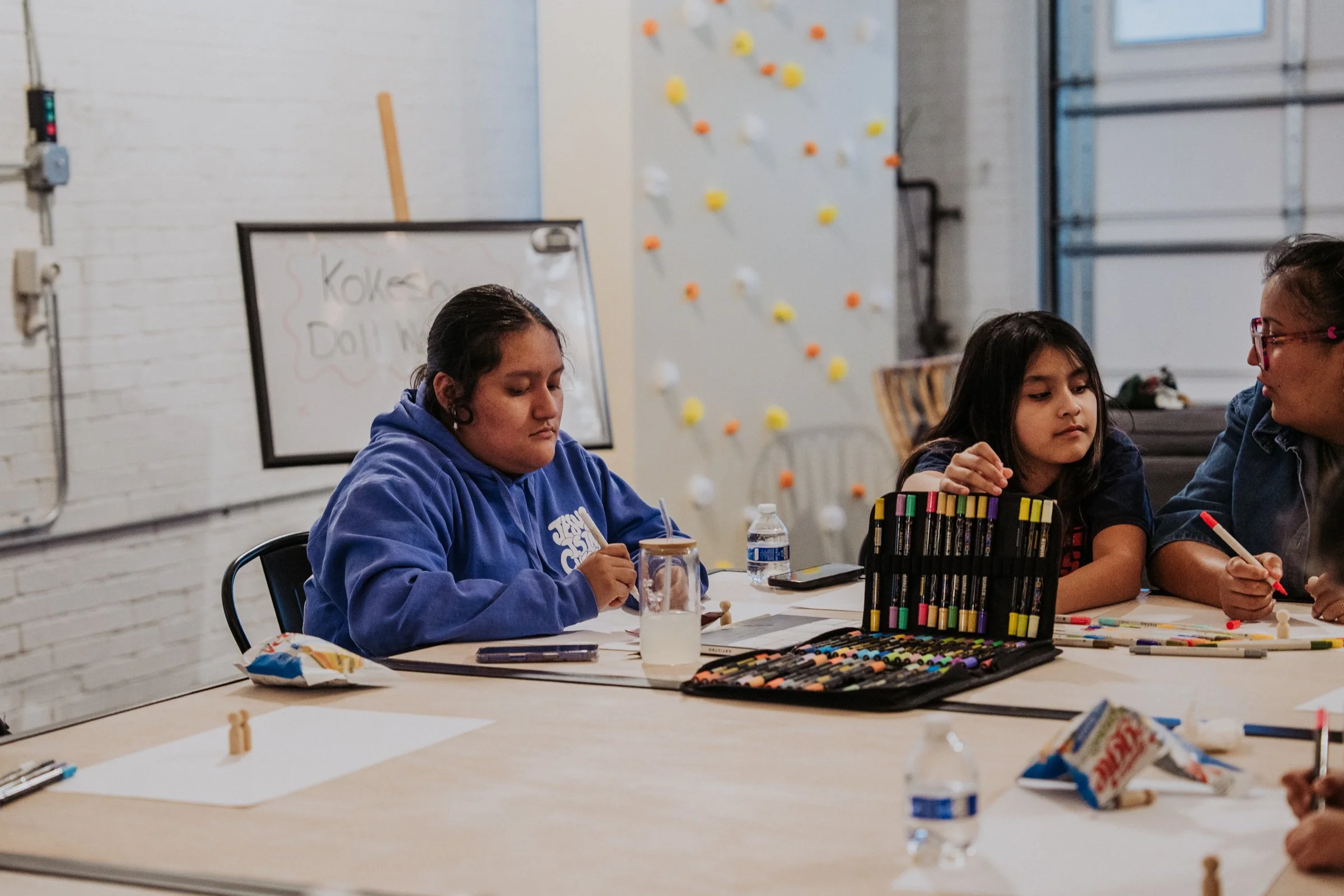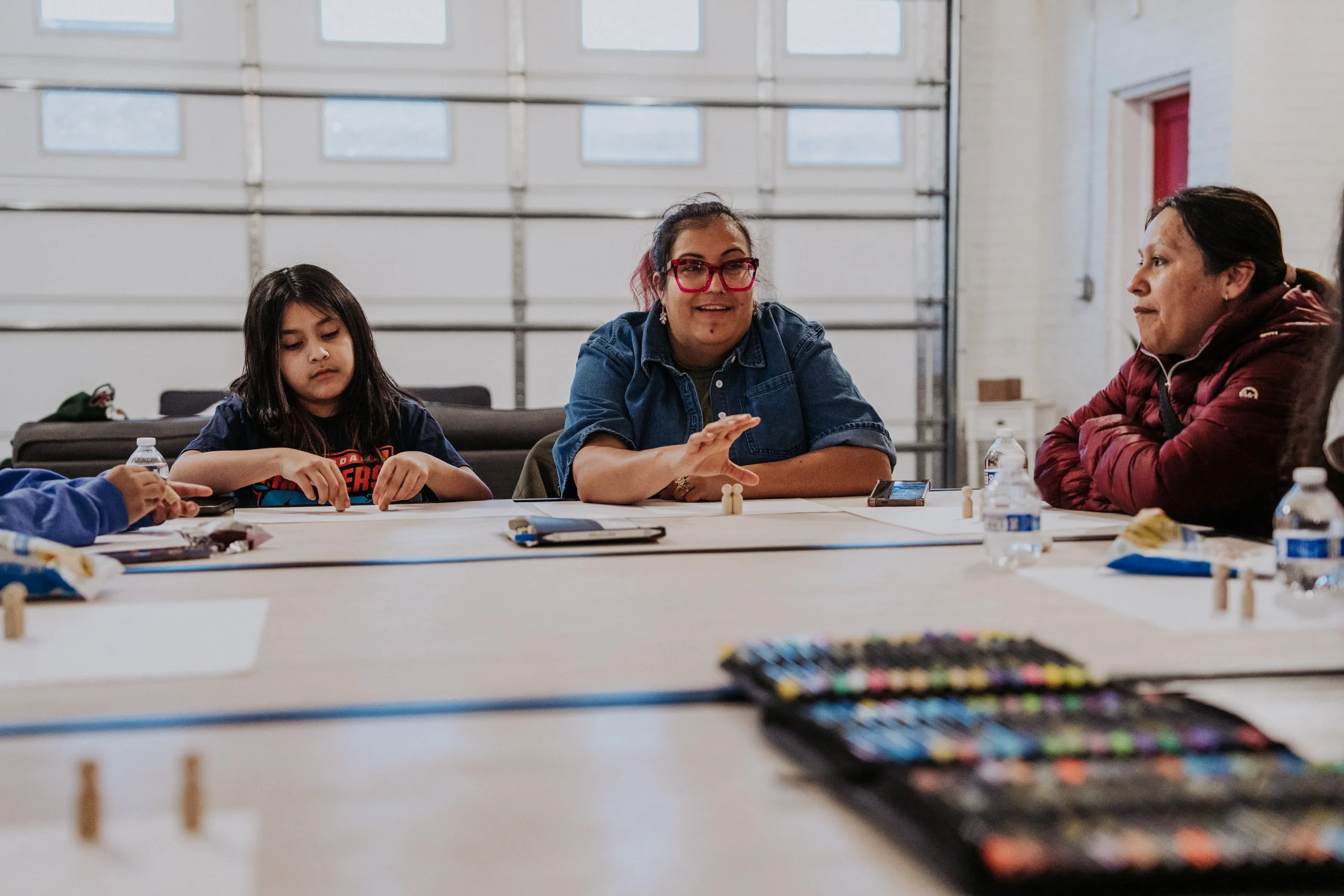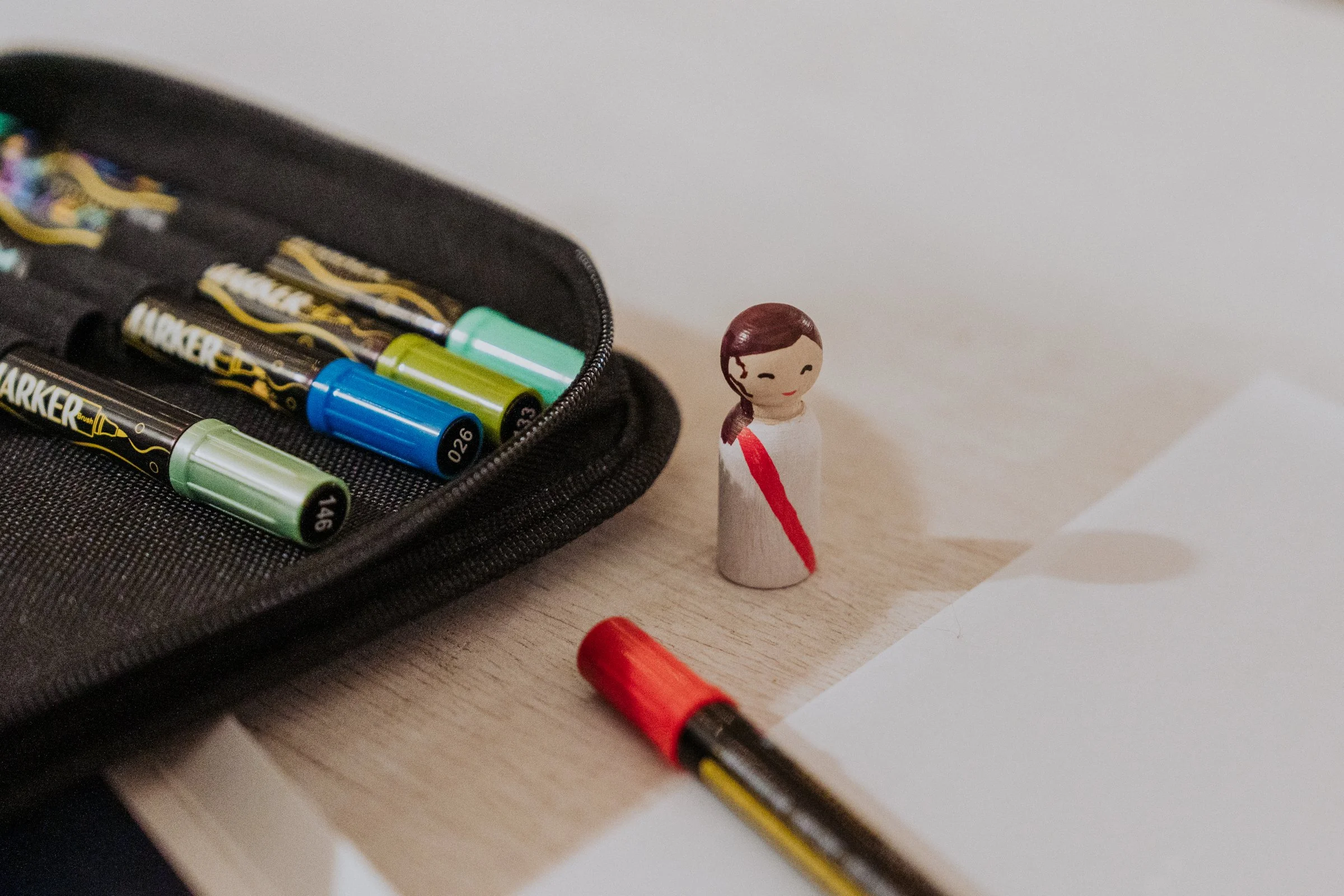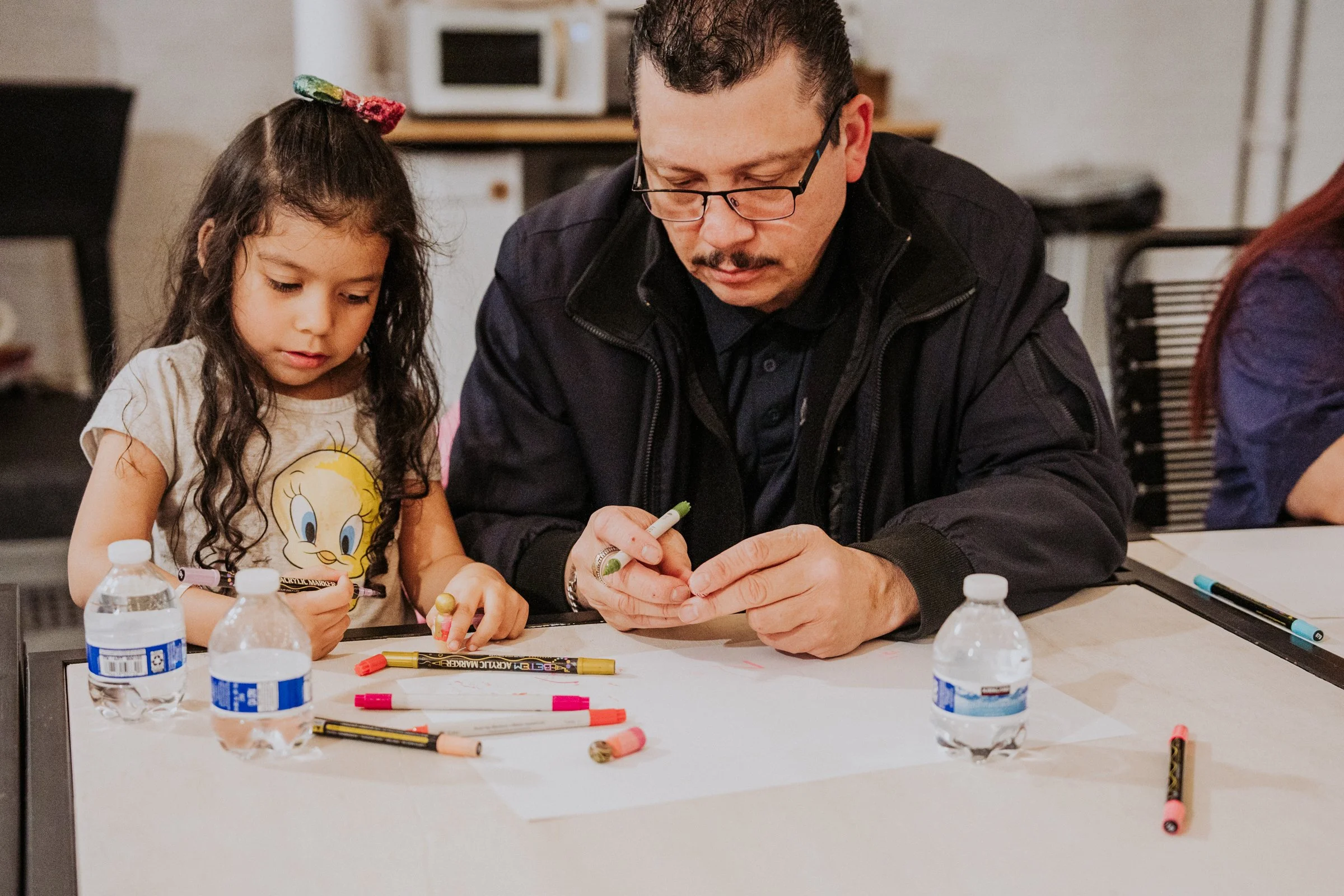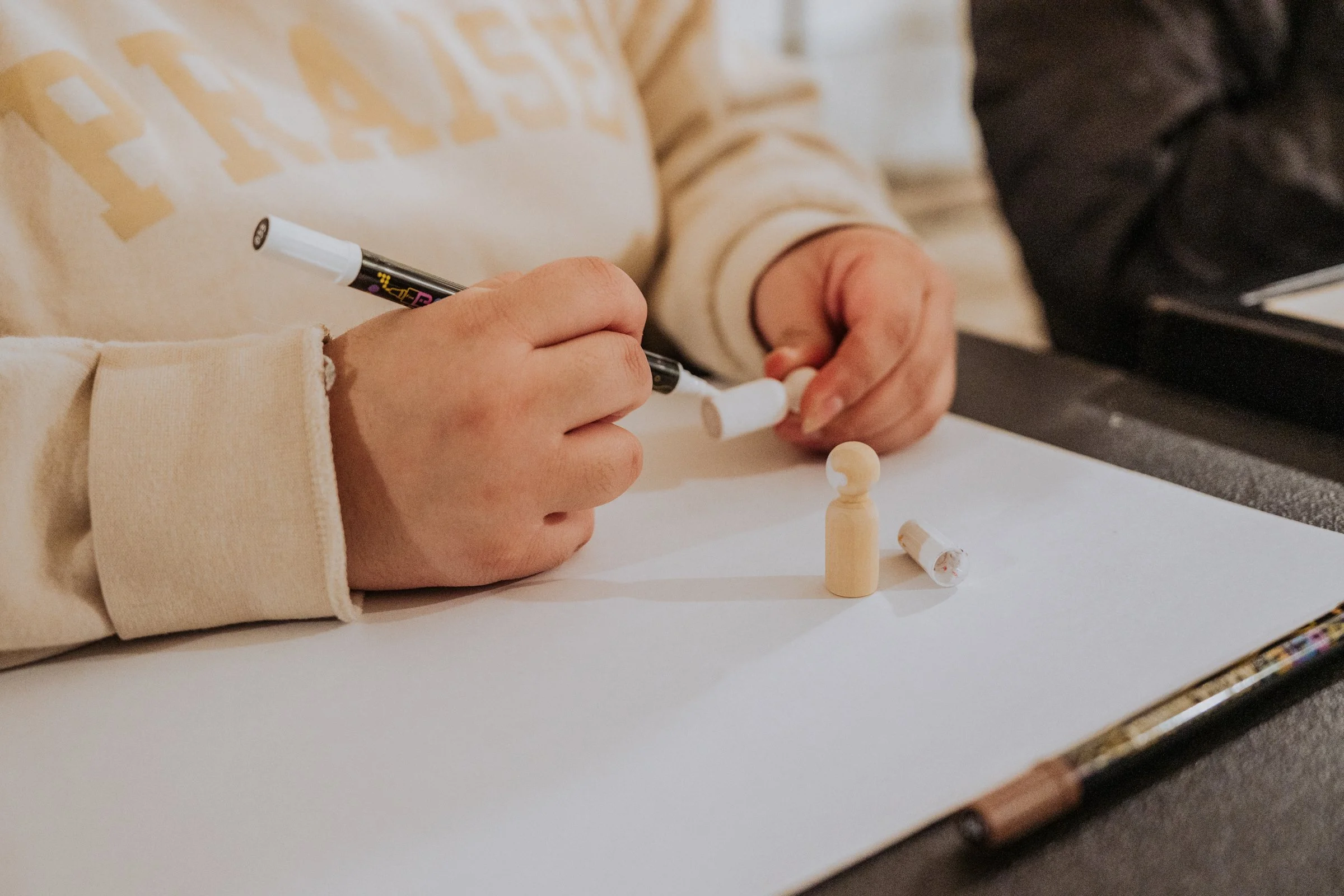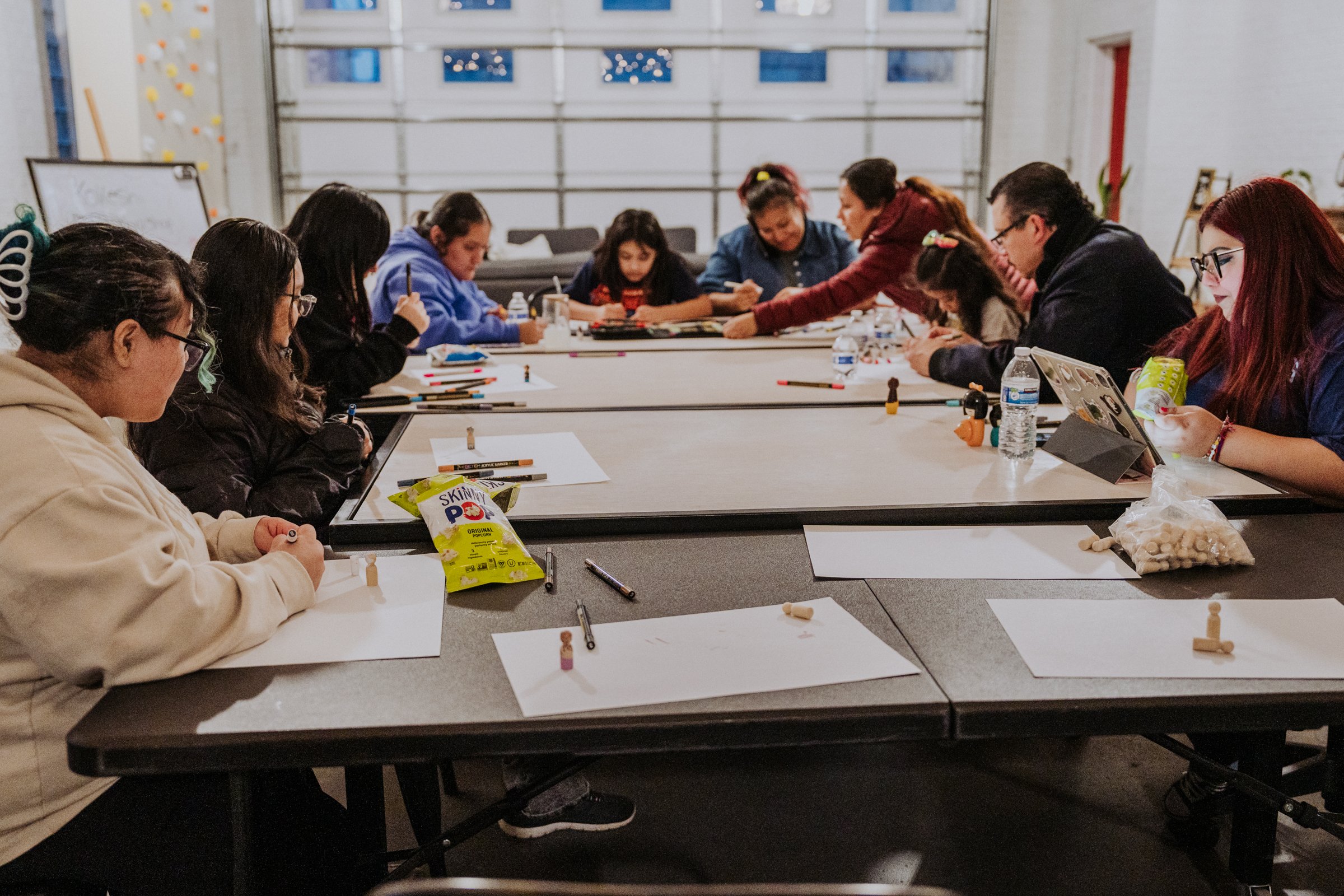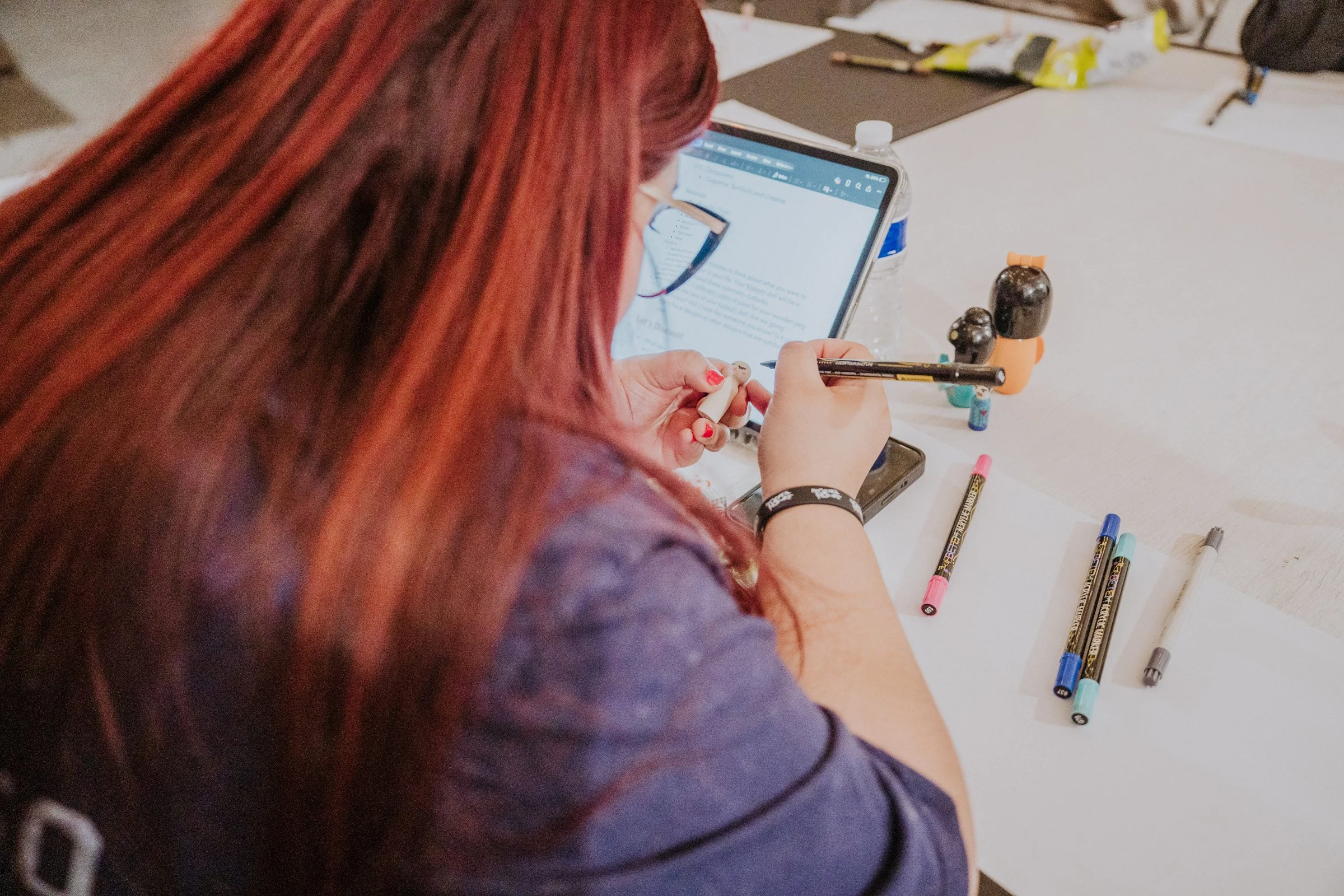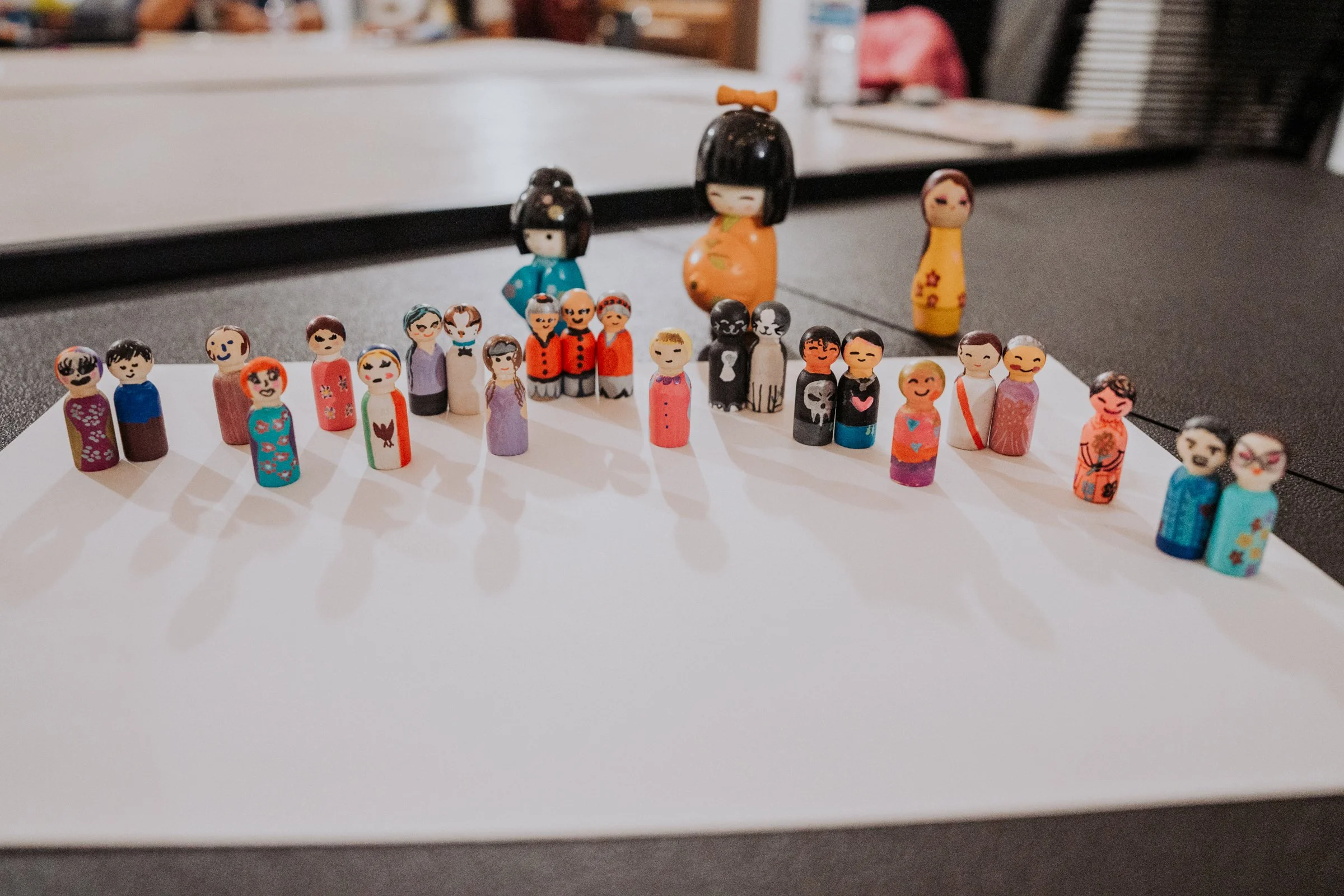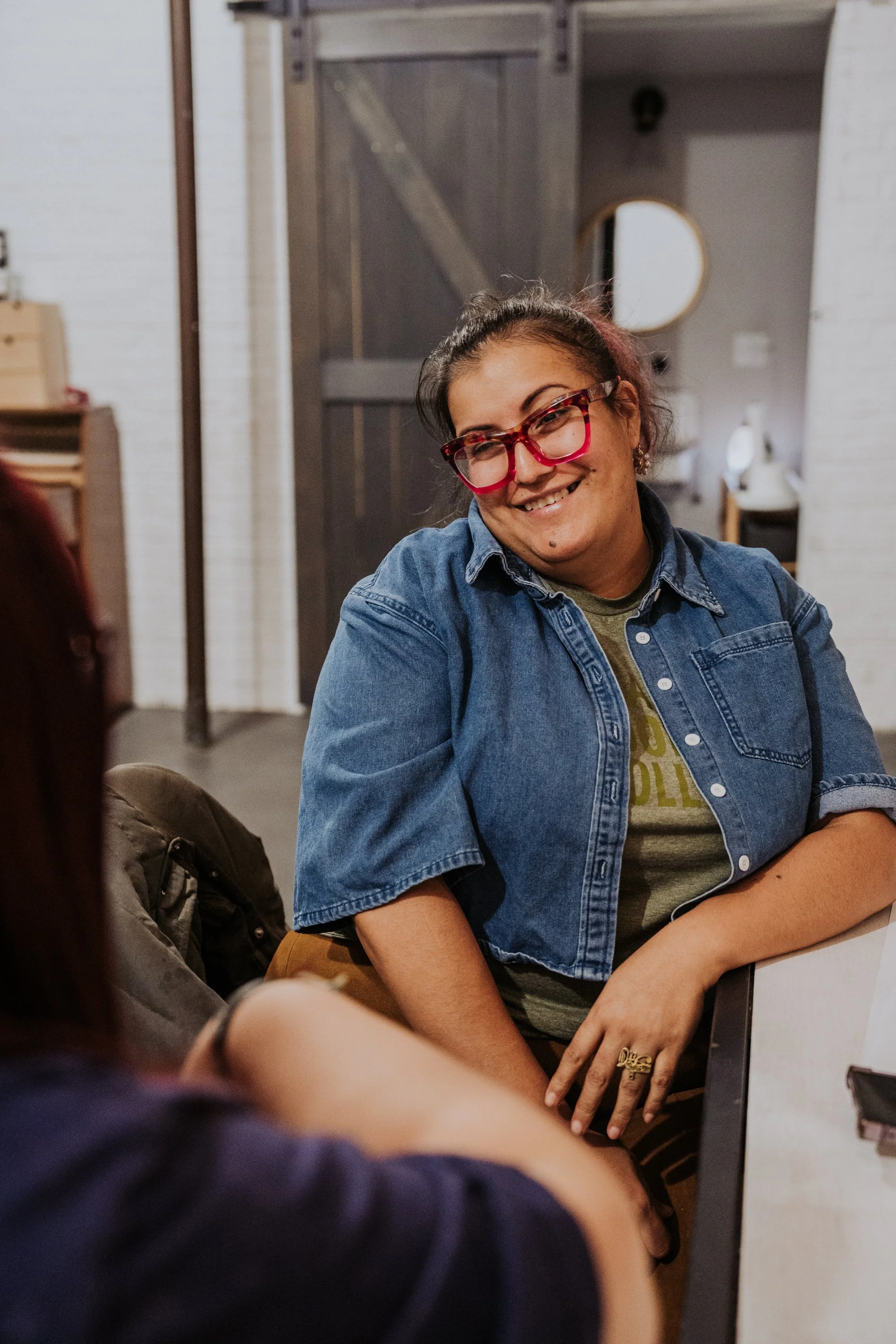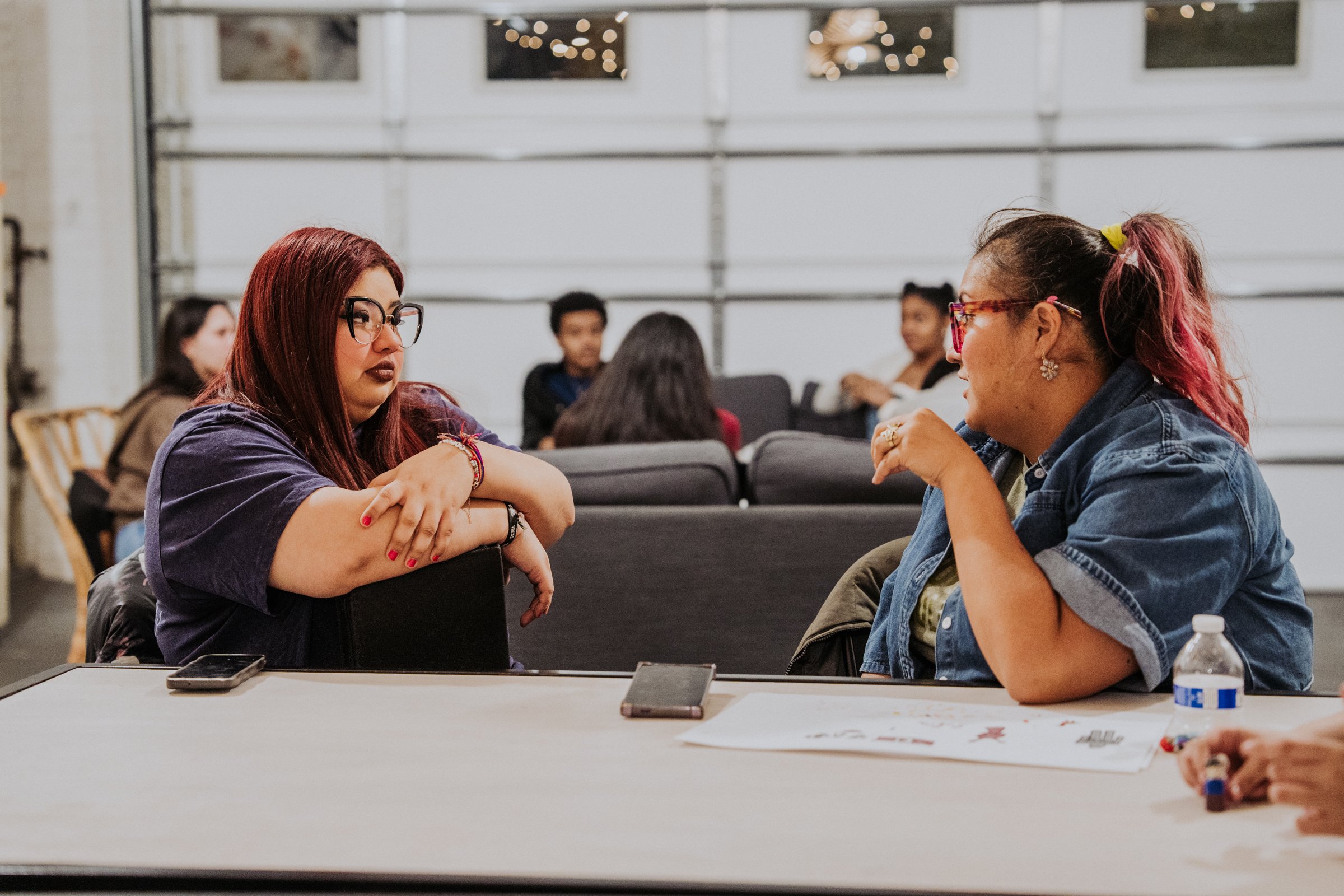
For our Art Therapy, we invited community members into a gentle space of reflection, creativity, and cultural appreciation. Yekseny Guerreo facilitated the workshop and began with a check‑in, asking everyone to share their sunny spot, rainbow, and rainy moment from the week.
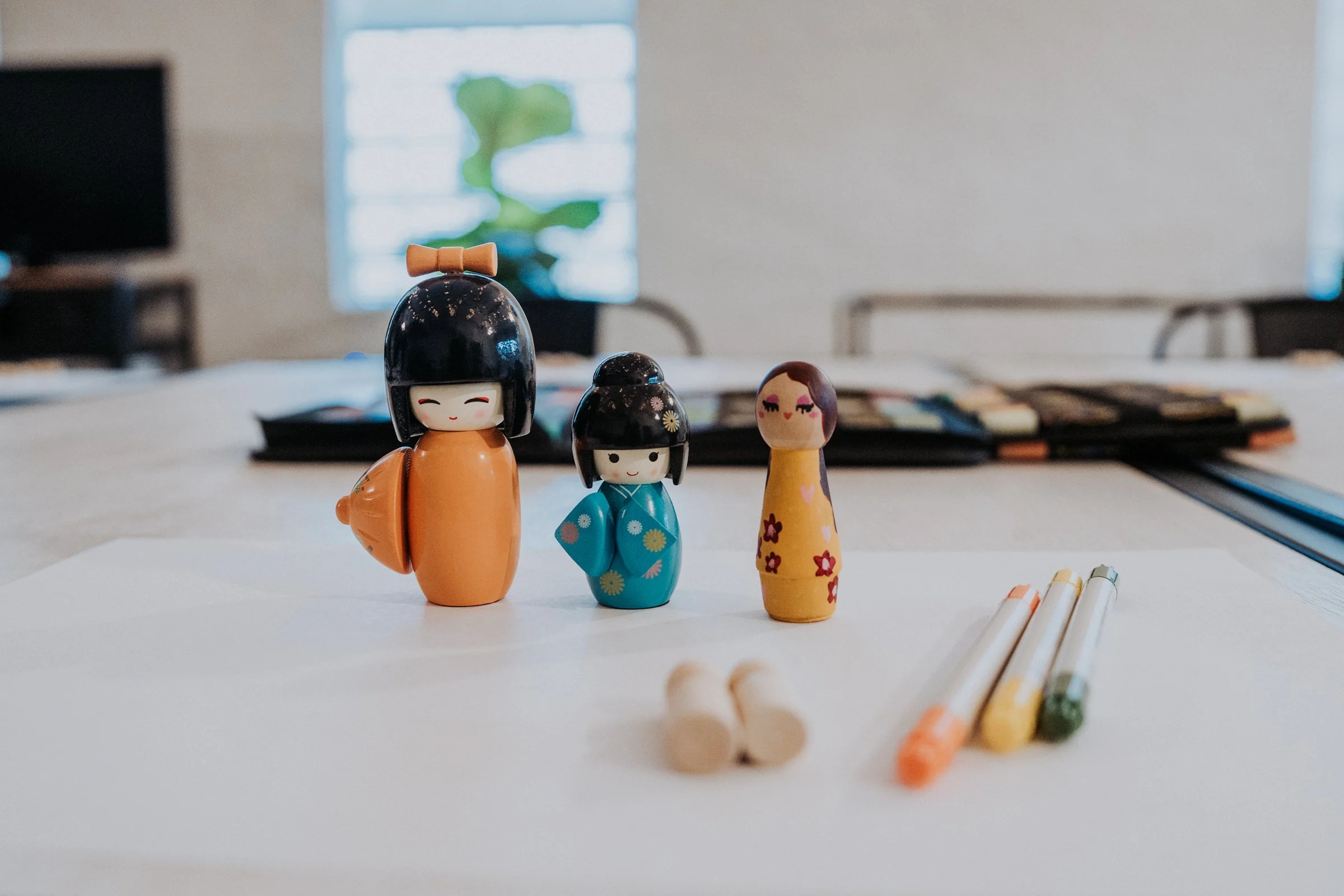
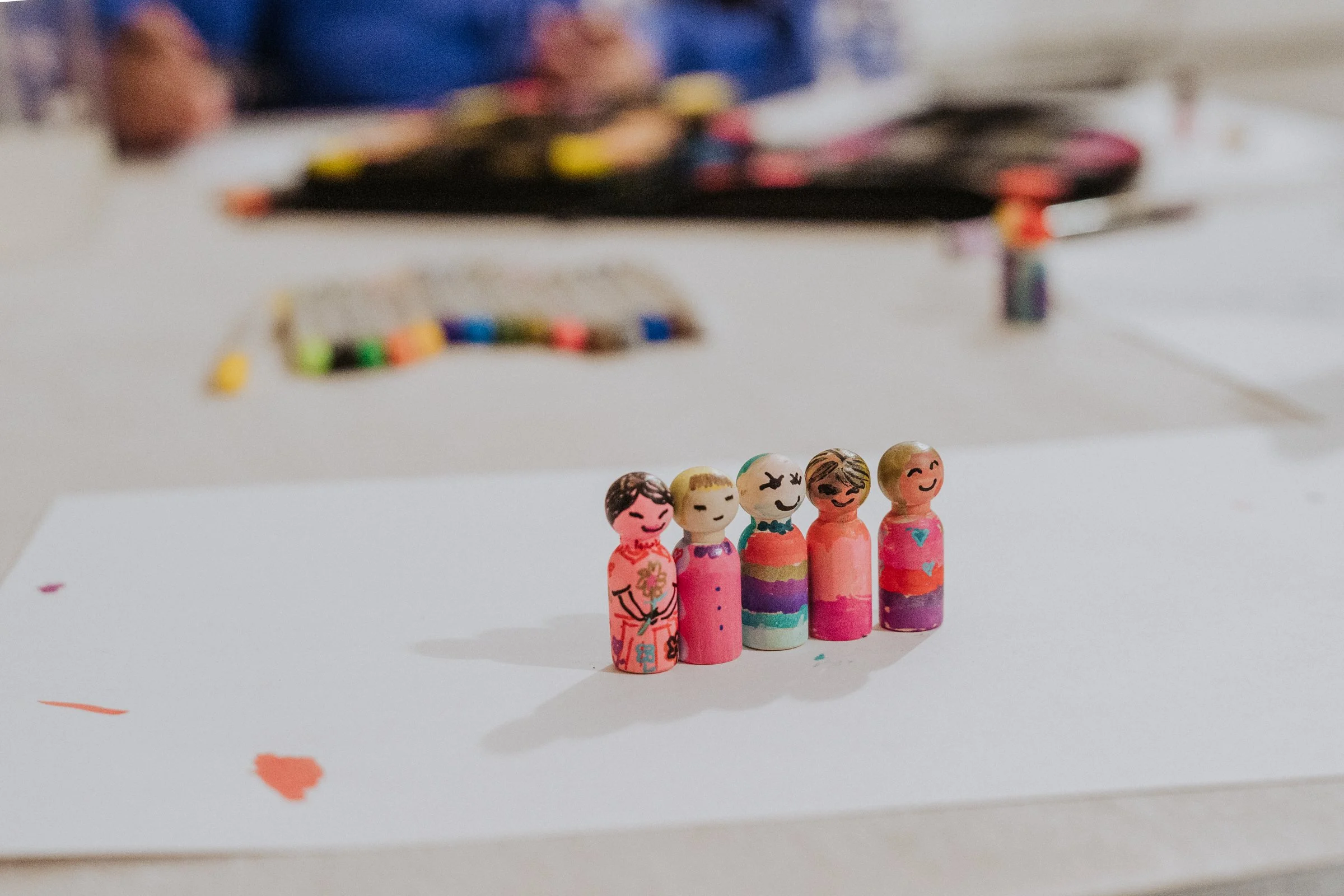
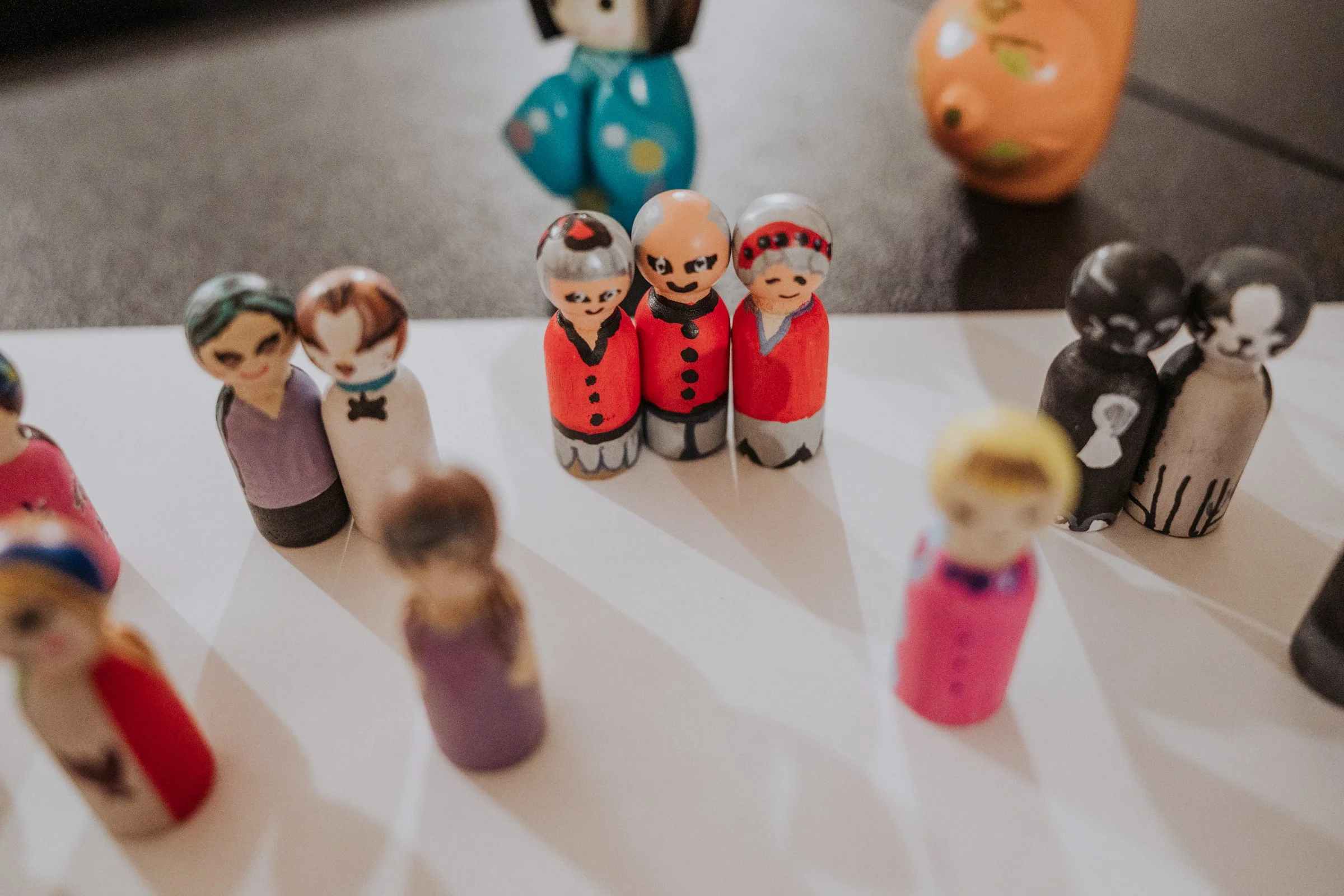
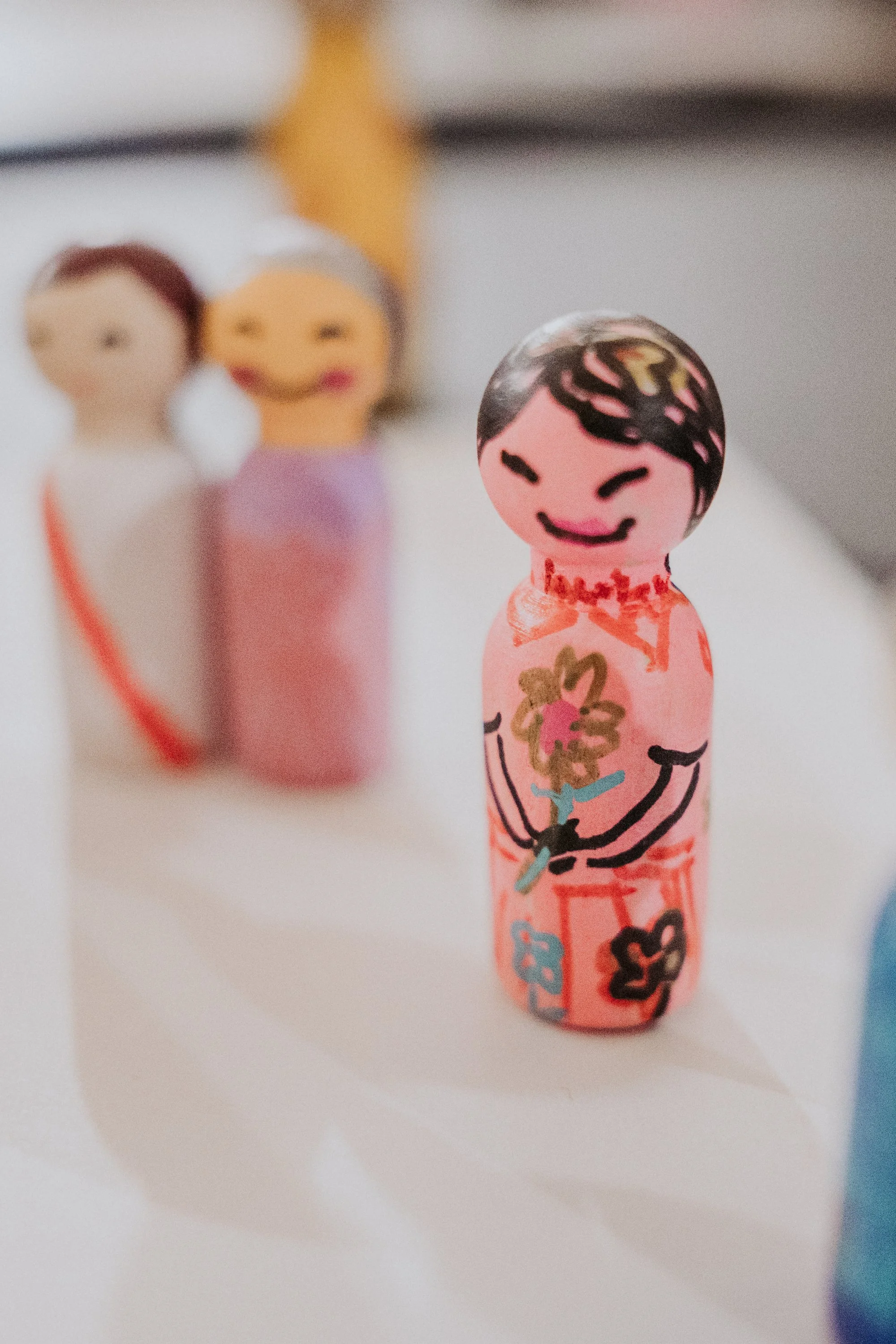
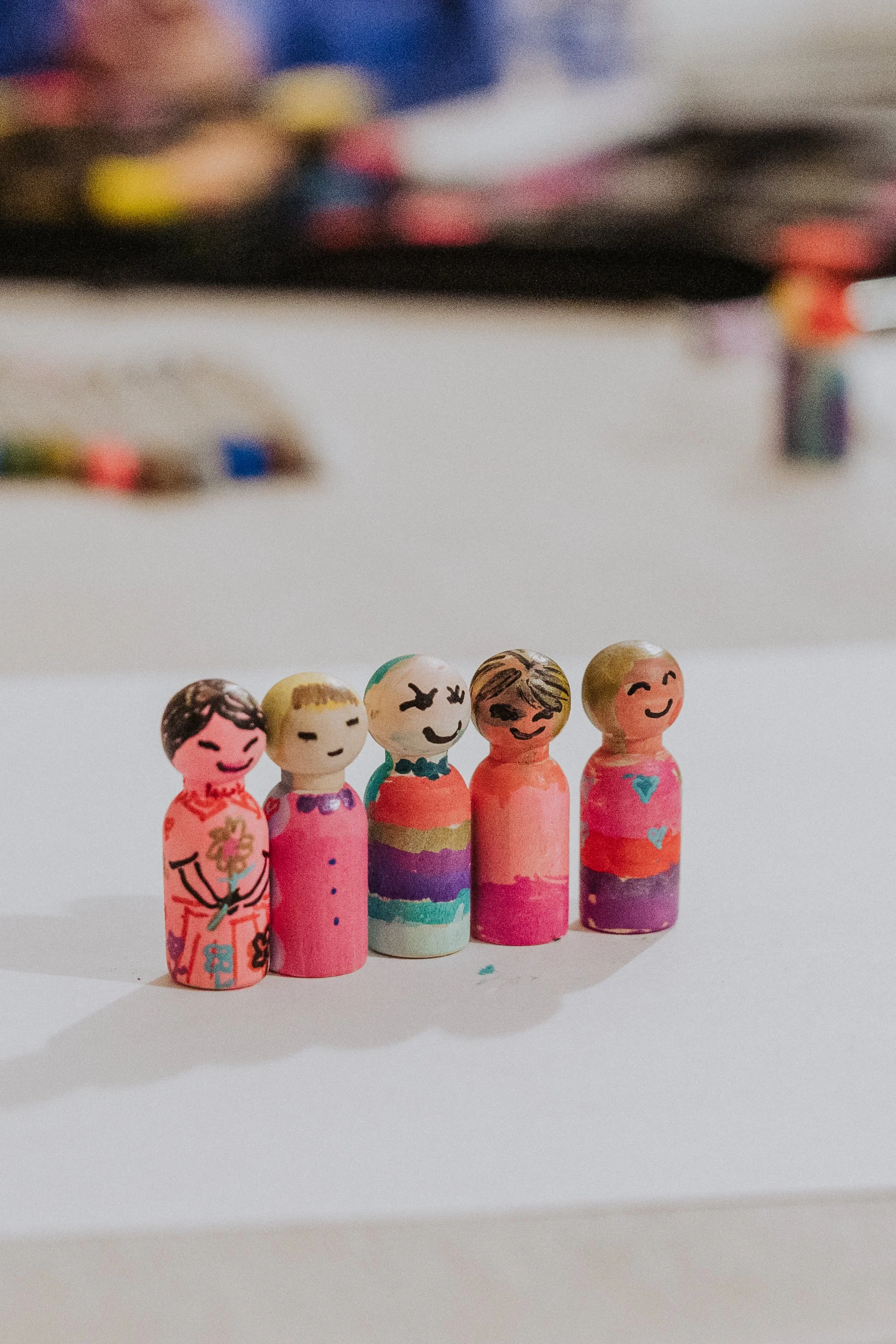
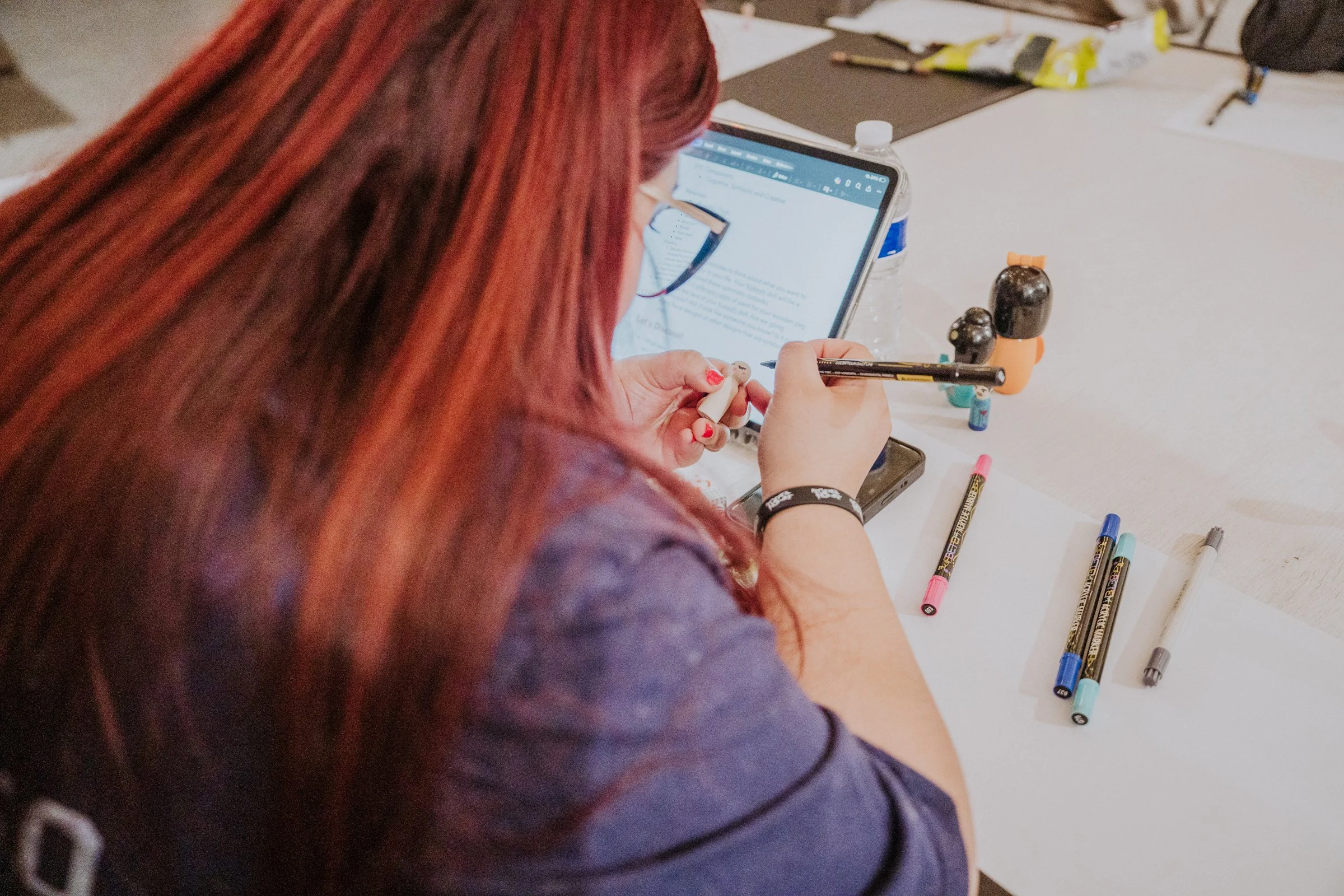
This grounding ritual helped us reconnect with ourselves and each other before moving into the creative process. After revisiting our group norms, we shifted into the history of Kokeshi dolls. Originating in the Edo Period of Japan, these wooden dolls were crafted by Kijishi, and a group of Japanese artisans skilled in lathe work whose decorative styles were unique to each maker. Traditionally used as children’s toys, Kokeshi dolls also carry symbolic meaning like wishes for good luck, hopes for a bountiful harvest, and appreciation for craftsmanship and culture. With this history in mind, we invited participants to create their own Kokeshi-inspired dolls rooted in personal intention. Everyone took a few minutes to reflect on what they hope or wish for in their lives right now, letting those thoughts guide their color choices, facial expressions, and symbolic designs. Some dolls leaned traditional, others resembled loved ones, and some became small self‑portraits.
Community members went over what they were wishing for, where they planned to keep their doll, and of course, the names they chose for their creations. We closed the session with space for final questions and a brief preview of our next activity. Everyone left carrying a hand‑painted doll, a small and bright reminder of intention, optimism, and the power of creating something with care.